
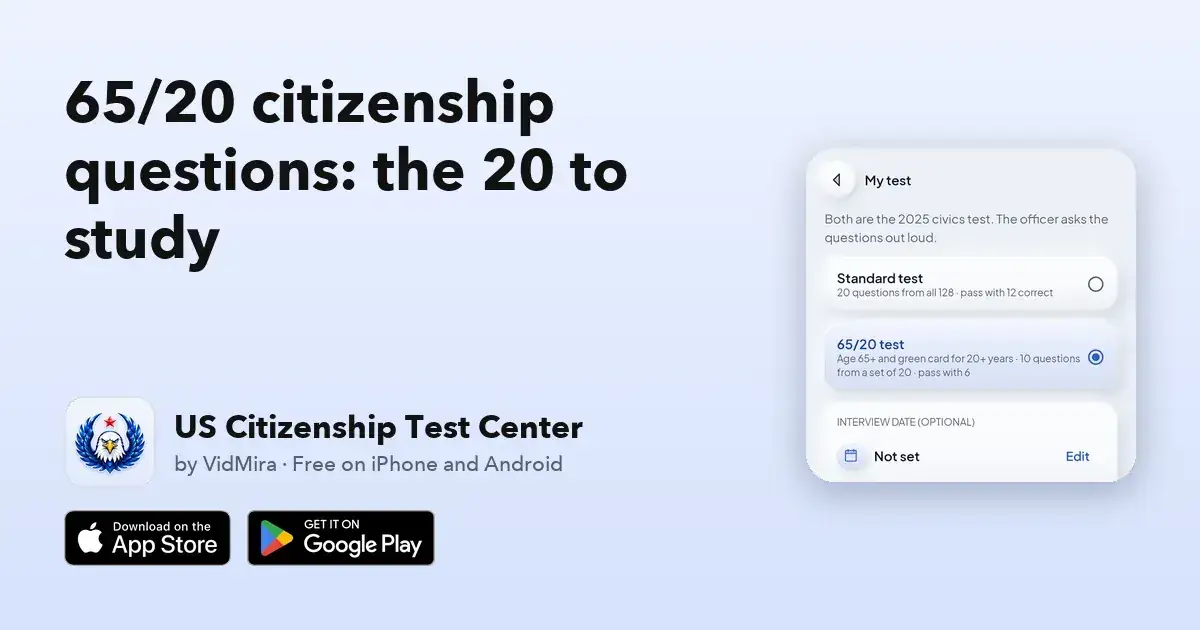
If you are 65 or older and have been a permanent resident for 20 years or more when you file, you study only 20 citizenship questions, not 128. The officer asks you 10 of those 20, and you pass with 6 correct. US Citizenship Test Center has a 65/20 setting that turns the whole app into those 20 questions.
At VidMira we build apps that make everyday things easier, and we built US Citizenship Test Center so the 65/20 test feels as short as it really is.
Switch to the 65/20 test in 3 steps
- Open US Citizenship Test Center, tap Settings, then My test.
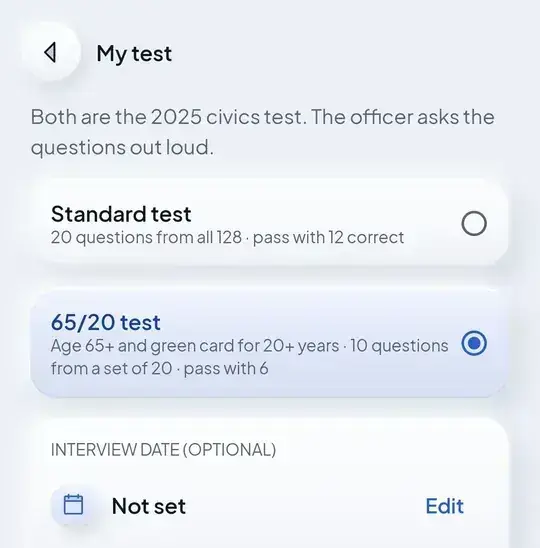
- Choose 65/20 test: 10 questions from a set of 20, pass with 6.
- Practice: the quiz and the mock interview now ask only from those 20, and the mock interview passes at 6 of 10, like the real 65/20 test.
Who gets the 65/20 test
You qualify if, on the day you file Form N-400, you are 65 or older and have lived in the United States as a lawful permanent resident for at least 20 years (USCIS). You then get:
- 20 questions to study, marked with an asterisk (*) on the USCIS list.
- 10 questions asked at the interview, from those 20.
- 6 correct to pass.
- Your language: you may take the civics test in the language of your choice, with an interpreter.
If you filed on or after October 20, 2025, your 20 questions come from the 2025 list of 128. US Citizenship Test Center covers the 2025 test.
Study and listen to just the 20
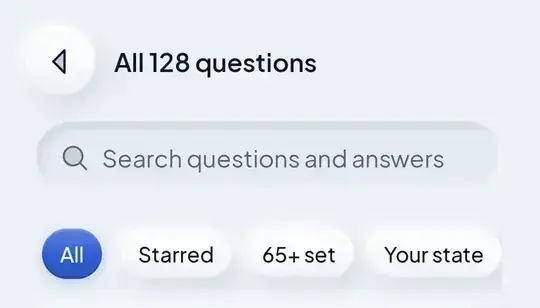
In the question list, tap the 65+ set filter to see only the 20 questions. In the audiobook, choose 65+ set to hear just those 20, one after another. Helping a parent? The filter works with the standard test too.
Why people choose US Citizenship Test Center
We think it is the easiest way to study for the 65/20 test, and here is why:
- Only the 20 you need. A 65+ set filter, a 65+ set audiobook, and a quiz and mock interview that ask only those 20.
- Read aloud. Hear each question and answer, at the speed you choose.
- Help in Spanish, Hindi or Gujarati. Your language under the English, to read or to hear.
- A mock interview by voice. Practice answering out loud, or type if you prefer.
- Answers for where you live. Your senators and governor from your ZIP code.
Get US Citizenship Test Center
US Citizenship Test Center is free on the App Store for iPhone and iPad and on Google Play for Android: no subscription and no in-app purchases. On your phone, vidmira.com/get/us opens the right store.
More help: how to prepare for the 2025 civics test and the 2025 and 2008 civics tests compared.
Common questions
What are the 65/20 citizenship questions?
The 20 questions marked with an asterisk on the USCIS list of 128. If you qualify, these are the only civics questions you study.
Can I take the 65/20 test in Spanish?
Yes. If you qualify for 65/20, you may take the civics test in your language, and you bring an interpreter who speaks English and your language.
Do I still take the English test?
If you are 65 or older with 20 years as a permanent resident, you are exempt from the English reading, writing and speaking test, because the 50/20 and 55/15 exemptions cover you too (USCIS).
When do the age and years count?
On the day you file Form N-400, not on the day of your interview.
Checked against uscis.gov on November 20, 2026. Rules can change, and the USCIS pages always win. This guide is general information, not legal advice. US Citizenship Test Center is an independent study app by VidMira.



Related guides
US citizenship test: how to prepare for the 2025 civics exam
US citizenship test study plan for 2026: the 2025 USCIS civics test has 128 questions, 20 asked, 12 to pass. What to learn first and how to practice aloud.
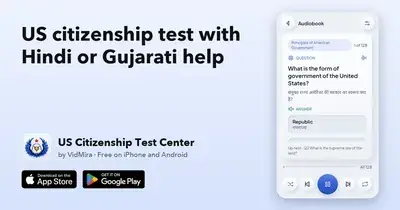
Study the US citizenship test with Hindi or Gujarati help
Study the 128 US citizenship test questions in English with Hindi or Gujarati under each one, and hear both read aloud, on iPhone and Android.
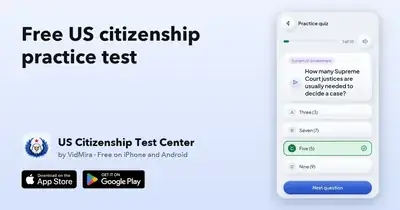
Free US citizenship practice test
A free US citizenship practice test: 10 questions from the 2025 civics test with instant feedback, then a mock interview by voice when you are ready.
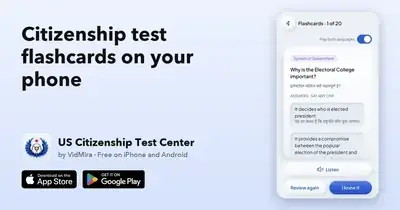
Citizenship test flashcards on your phone
Citizenship test flashcards for all 128 civics questions: think of the answer, flip, mark I knew it or Review again, and hear every card read aloud.
All US citizenship test guides →
Latest posts
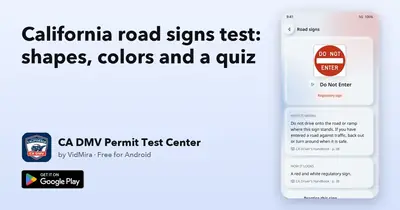
California road signs test: shapes, colors and a quiz
California road signs test: what sign shapes and colors mean, from the Driver's Handbook, plus a road signs quiz. Practice in CA DMV Permit Test Center.
Canadian citizenship test flashcards on your phone
Canadian citizenship test flashcards: flip, hear the answer, mark "I knew it" or review it again. Free in Canada Citizenship Test Center for iPhone and Android.
NJ e-bike and moped license: the permit test under the 2026 rules
NJ e-bike license under the 2026 rules: age 15, a permit, knowledge and vision tests, a road test. Practice e-bike quizzes in NJ DMV Permit Practice Test.
VidMira LLC is not affiliated with U.S. Citizenship and Immigration Services (USCIS) or any government agency.